
Button batteries live in remotes, toys, watches and scales. When swallowed, one sticks to the esophagus wall and passes a current that causes a deep chemical burn — damage starts within two hours, and the child may not complain at all at first.
In short — what to do
- Go to the ER this very moment — even if the child is laughing and playing. Announce at the door: "button battery ingestion".
- If older than 1 year and swallowed within the last 12 hours: give 2 teaspoons of honey every 10 minutes on the way (up to 6 doses) — it slows the burn. Never delay the trip for it.
- Don't induce vomiting; no food or drink other than the honey.
- Bring an identical battery or the device — size and type matter.
This topic’s video is coming soon on our channels — follow us
@lahzaem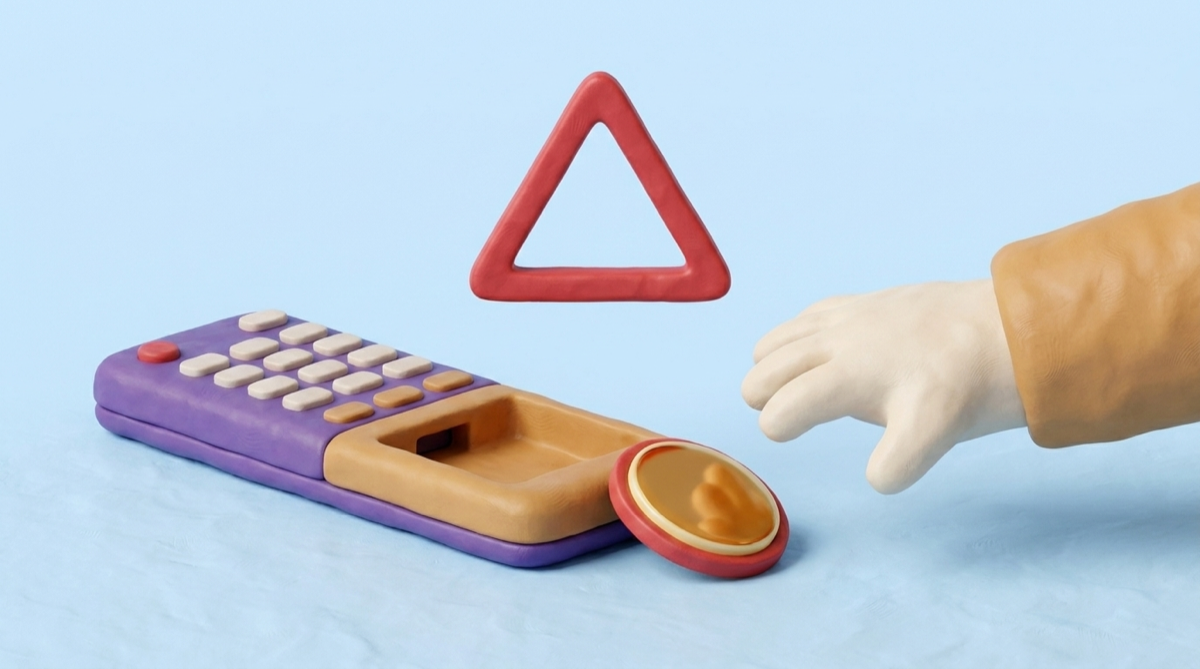
The full details
When to suspect it
- You saw the child playing with a battery, or found a device open with its battery missing.
- Sudden drooling, refusing food, pain on swallowing, cough or noisy breathing.
- Vomiting, chest or abdominal pain, or unexplained fever.
What to do immediately
- Go to the ER this very moment — even if the child is laughing and playing. Announce at the door: "button battery ingestion".
- If older than 1 year and swallowed within the last 12 hours: give 2 teaspoons of honey every 10 minutes on the way (up to 6 doses) — it slows the burn. Never delay the trip for it.
- Don't induce vomiting; no food or drink other than the honey.
- Bring an identical battery or the device — size and type matter.
 Also beware
- A battery in the nose or ear = an equally urgent emergency — it burns through the septum within hours.
- "Let's wait for it to pass in the stool" — a deadly rule for button batteries stuck in the esophagus.
Prevention
Buy devices with screw-secured battery covers, tape battery doors shut, and store spares locked and high. A "dead" battery still burns.
This content is for general health education only and is not medical advice. Always seek guidance from a qualified healthcare professional. In an emergency, call 998.