A small kitchen fire, a parent fainting, a child lost in the mall, networks going down — emergencies don't ask permission. A simple family plan, discussed once and refreshed regularly, means everyone — even the children — knows their role.
In short — what to do
- Numbers memorised, not just written: every member knows 998 (ambulance), 997 (civil defence), 999 (police) and one parent's number by heart — children train first.
- An agreed meeting point: one near (the neighbour's door, the lamp post outside) for quick evacuation, and one far (a relative's house, the neighbourhood mosque) if separated away from home.
- An out-of-town contact: a relative in another city becomes the "message hub" if local networks jam — everyone reports to them that they are safe.
- Medical information ready: a sheet on the fridge and a photo on the phones: each member's conditions, medicines, allergies and blood type — the first things the paramedic asks.
This topic’s video is coming soon on our channels — follow us
@lahzaem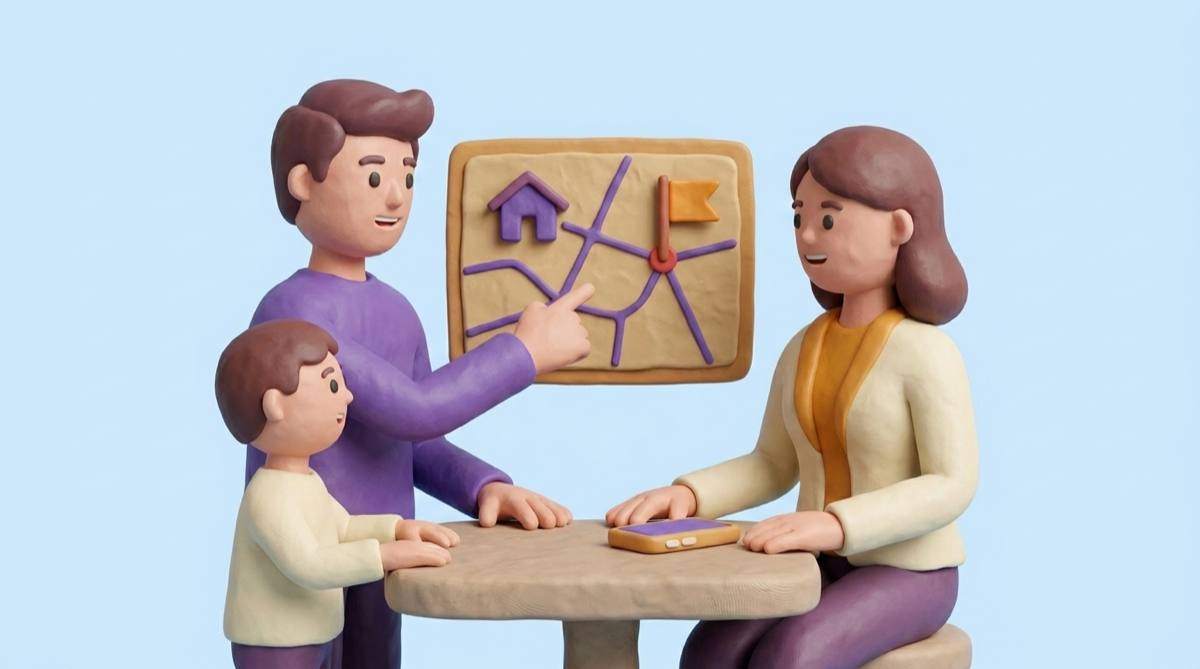
The four pillars of the plan
- Numbers memorised, not just written: every member knows 998 (ambulance), 997 (civil defence), 999 (police) and one parent's number by heart — children train first.
- An agreed meeting point: one near (the neighbour's door, the lamp post outside) for quick evacuation, and one far (a relative's house, the neighbourhood mosque) if separated away from home.
- An out-of-town contact: a relative in another city becomes the "message hub" if local networks jam — everyone reports to them that they are safe.
- Medical information ready: a sheet on the fridge and a photo on the phones: each member's conditions, medicines, allergies and blood type — the first things the paramedic asks.
Train, don't frighten
Make it a twice-a-year family game: "what would we do if…?" — who calls? Who opens the door for the ambulance? Where do we meet? Ten minutes of role-play replaces an hour of real panic. From age four, children can learn to say the home address and their parents' full names.
 Mistakes that break the plan when needed
- Important numbers "saved in the phone only" — and the phone is locked or lost at the crucial moment.
- Everyone knows the plan… except the domestic helper who spends the most time with the children.
- A plan discussed once years ago, never refreshed after the house or numbers changed.
Start tonight
At dinner, ask your family one question: "If we needed an ambulance right now, who calls and what will they say?" — the answer is the first line of your plan.
This content is for general health education only and is not medical advice. Always seek guidance from a qualified healthcare professional. In an emergency, call 998.