Two questions repeat every day: "where is my result?" and "why didn't you scan me?". The answers reveal how emergency medicine thinks.
In short — what to do
- A sample goes through real stages: drawing, transport to the lab, processing on machines — some of which have fixed run times that cannot be shortened.
- Some tests inherently need 45–90 minutes even in the best hospitals.
- Critical results are reported to the doctor the moment they appear — they don't wait for the rest of the panel.
This topic’s video is coming soon on our channels — follow us
@lahzaem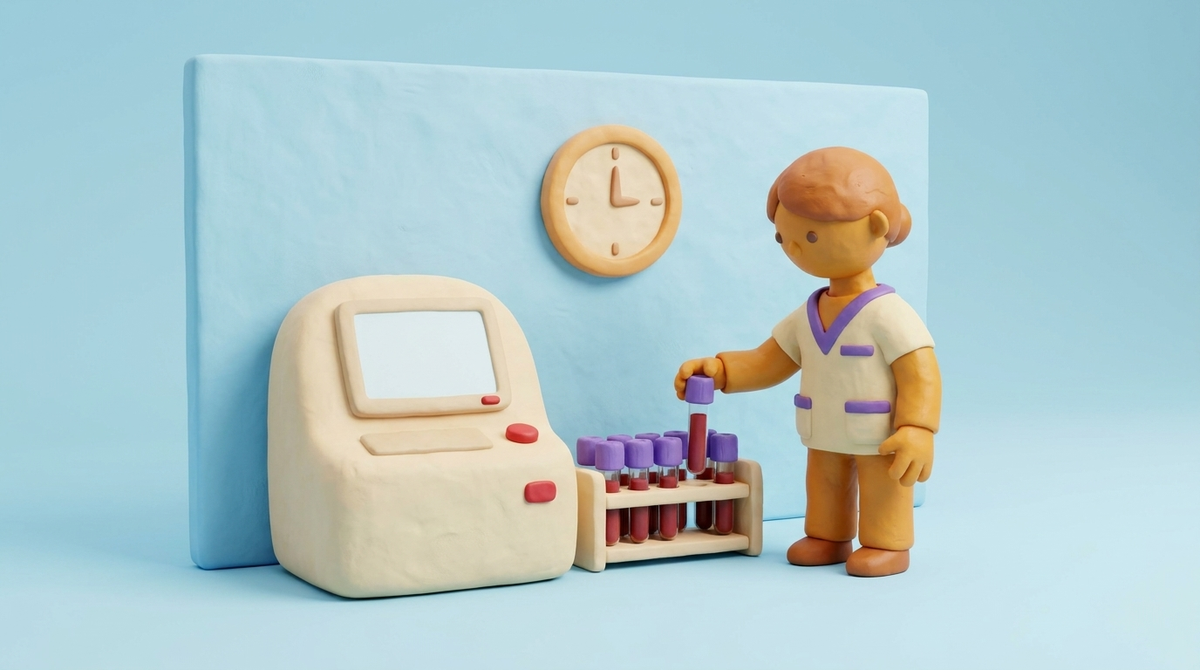
The full details
Why do lab tests take time?
- A sample goes through real stages: drawing, transport to the lab, processing on machines — some of which have fixed run times that cannot be shortened.
- Some tests inherently need 45–90 minutes even in the best hospitals.
- Critical results are reported to the doctor the moment they appear — they don't wait for the rest of the panel.
Why might you not need imaging at all?
- A clinical examination sometimes answers precisely enough to replace imaging — there are well-studied international rules for this, such as ankle and head injury rules.
- A CT scan is a real radiation dose — we avoid it in children especially unless truly needed.
- "A scan for reassurance" without medical need can show innocent incidental findings that open an endless chain of follow-up tests.
Your right to understand
Ask freely: "what are we waiting for now, and what will it change in my treatment?" — a question good doctors welcome, never resent.
Worth knowing
The decision NOT to image is a full medical decision built on scientific rules — not cost-cutting, not dismissal. The doctor who examines you thoroughly then reassures you without a scan has given you the summary of their expertise.
This content is for general health education only and is not medical advice. Always seek guidance from a qualified healthcare professional. In an emergency, call 998.