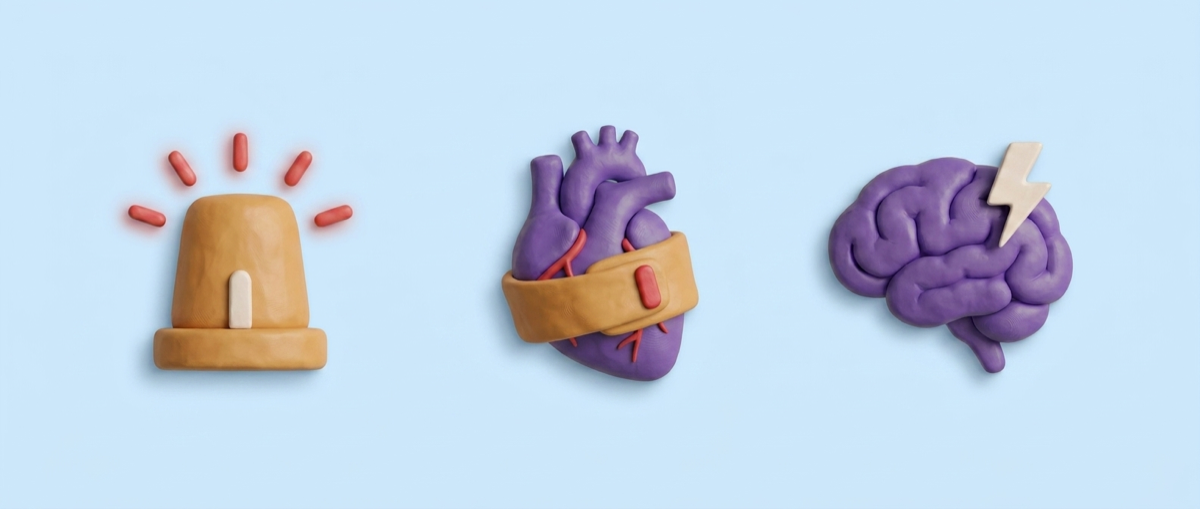
When the heart weakens and pumps inefficiently, fluid backs up into the lungs — the patient feels they are "breathing through water". Acute oedema is a true emergency, but it's usually preceded by days of warning signals that can be caught early.
In short — what to do
- Call 998 immediately — acute oedema is not treated at home.
- Sit them up with legs dangling over the bed's edge — upright with legs down pulls fluid away from the lungs.
- Open a window and loosen tight clothing.
- No water or food, and keep them as calm as possible.
- Gather their medicines and reports to hand to the team.
This topic’s video is coming soon on our channels — follow us
@lahzaem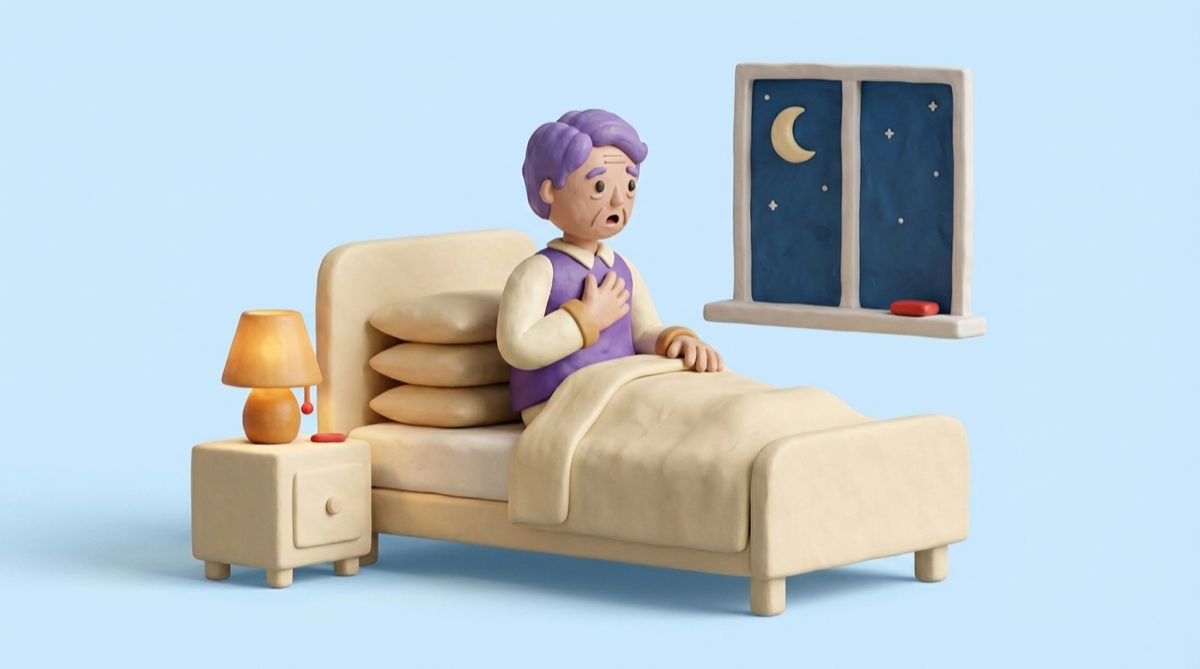
The full details
Early warning signs (days before the crisis)
- Breathlessness on exertion that used to be tolerable.
- Needing more pillows to sleep, or waking at night gasping.
- Increasing feet and ankle swelling.
- Rapid weight gain (2–3 kg in days) — fluid, not fat.
- A new night cough.
In the acute crisis: what to do
- Call 998 immediately — acute oedema is not treated at home.
- Sit them up with legs dangling over the bed's edge — upright with legs down pulls fluid away from the lungs.
- Open a window and loosen tight clothing.
- No water or food, and keep them as calm as possible.
- Gather their medicines and reports to hand to the team.
 998 now if
- Severe gasping, "bubbling" breathing, or pink frothy sputum.
- Blue lips, cold sweat, or confusion.
- Accompanying chest pain — a heart attack may be the trigger.
For the heart patient's family
The bathroom scale is the best early-alarm device: daily weight at the same time — a two-kilo jump in two days deserves a call to the doctor before it becomes an emergency night.
This content is for general health education only and is not medical advice. Always seek guidance from a qualified healthcare professional. In an emergency, call 998.